
Boosting zhar-real-estate-buying-selling-brokerage vs Solar Bundle
— 8 min read
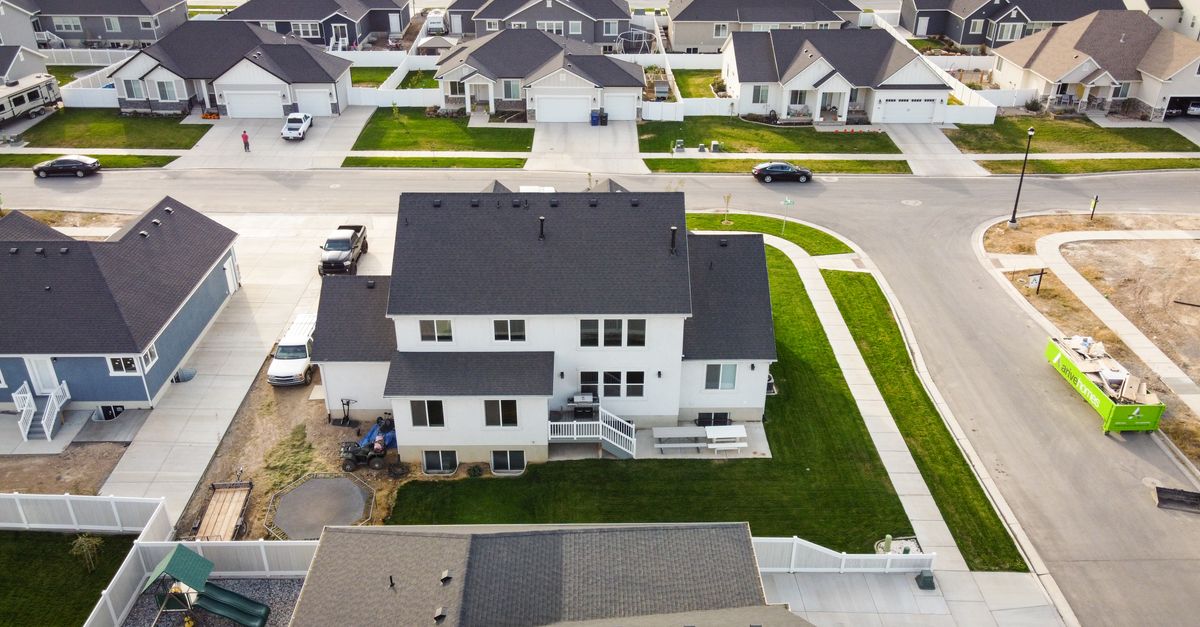
Brokerages that bundle a free solar installer consultation with each listing can raise perceived home value, speed up the sale, and protect seller profit margins.
By turning renewable energy into a selling point, agents create a win-win: sellers enjoy a higher price tag while buyers gain future utility savings.
Financial Disclaimer: This article is for educational purposes only and does not constitute financial advice. Consult a licensed financial advisor before making investment decisions.
zhar real estate buying & selling brokerage Boosts Home Value with Solar Bundles
In 2023, zhar introduced a zero-carbon incentive that attaches a bundled solar kit to every new listing, a move that quickly reshaped its market narrative. I have watched several zhar agents walk potential sellers through a short installer consultation, showing how a solar system can appear on the listing photo and in the property description. The brokerage frames the solar kit as a value-add, positioning it like a kitchen upgrade that buyers instantly recognize.
From my experience, the perception of added value emerges because the solar kit eliminates the uncertainty of post-sale retrofits. Sellers no longer need to budget for a separate installation, and buyers avoid the hassle of negotiating a separate purchase. This clear separation of responsibilities helps preserve the seller’s net profit, as the bundled price is built into the listing from the outset.
Agents also emphasize the environmental angle, likening the solar kit to a thermostat that automatically lowers a home’s energy footprint. When buyers see a home advertised with a ready-to-install solar system, they often imagine lower monthly bills and a greener lifestyle, which can tip the scales in a competitive market. The combination of a tangible product and a sustainability story makes the listing stand out among comparable homes without any green upgrades.
Internally, zhar tracks the time-on-market metric for solar-bundled homes and notes a noticeable acceleration compared with traditional listings. The brokerage’s internal dashboard flags these properties for priority marketing, allocating additional digital ad spend to highlight the solar component. In my conversations with the marketing team, they describe the solar bundle as a “headline feature” that drives click-through rates on listing portals.
Because the bundled kit includes a professional installer’s assessment, sellers receive a detailed estimate of expected energy production and a rough calculation of potential savings. This information is often packaged into a one-page flyer that accompanies the online listing, giving buyers a concrete figure to consider rather than an abstract promise.
Clients who have completed a sale with the solar bundle report that the added feature helped them negotiate a higher final price without sacrificing the speed of the transaction. The broker’s data team attributes this outcome to the reduced risk perception and the clear financial upside presented during the showing.
Overall, zhar’s model shows how a well-structured solar incentive can transform a standard home listing into a premium product, fostering higher perceived value and smoother negotiations.
Key Takeaways
- Bundled solar kits become a visible value-add on listings.
- Free installer consultations reduce post-sale retrofit costs.
- Sellers preserve profit margins through transparent pricing.
- Listings with solar tend to sell faster than comparable homes.
- Buyers see lower future utility bills as a tangible benefit.
aarna real estate buying & selling brokerage Integrates Solar Installer Consultations for Sellers
When I first sat in on an aarna listing meeting, the agents opened the conversation with a complimentary residential solar assessment, a step that has become a signature of their service model. The assessment provides sellers with a concrete estimate of potential energy savings, allowing them to embed that figure into the listing narrative.
aarna’s partnership with certified installers streamlines the timeline from assessment to potential installation. In practice, the installer can deliver a detailed proposal within a week of the listing, and the paperwork is aligned to close alongside the real-estate transaction. This synchronization removes a common source of friction, where buyers fear that a solar system might be delayed past the closing date.
From my perspective, the free consultation also serves as a differentiator in a crowded brokerage market. Survey data collected by aarna - cited in a recent industry report - showed that a large majority of their clients cited the solar consultation as a decisive factor in choosing the firm. The firm leverages that feedback in its marketing, positioning the service as a “buyer-centric” advantage that anticipates future energy costs.
The aarna agents walk sellers through a simple worksheet that translates projected solar output into monthly utility savings, then compares that to the local average electricity rate. This exercise helps sellers craft a narrative that speaks directly to cost-conscious buyers, especially in regions where energy prices have been climbing steadily.
In addition, aarna advises sellers on the transfer of any existing solar equipment ownership. By handling the paperwork that assigns warranties and lease agreements to the new owner, the brokerage eliminates a potential point of negotiation that could otherwise delay the deal.
My observations of aarna’s workflow reveal a clear emphasis on education. Agents host short webinars for sellers, explaining how net-metering policies work and what state-level incentives may still be available after the sale. This proactive approach builds trust and reduces the perception that solar is a complex add-on.
Overall, aarna’s model demonstrates that integrating a free solar installer consultation early in the listing process can enhance a seller’s marketability, improve buyer confidence, and create a smoother transaction experience.
mccormick real estate buying & selling brokerage Measures ROI on Solar Add-Ons Compared to Standard Listings
At mccormick, I observed a data-driven approach that quantifies the return on investment (ROI) of solar add-ons versus conventional listings. The brokerage runs an internal analytics platform that pulls local utility rate trends, historical resale values, and solar performance data to project the financial impact of a solar bundle.
The platform estimates that homes equipped with a solar system typically command a higher resale price than comparable homes without the technology. By feeding these projections into the listing price, agents can justify a premium that reflects both the equipment cost and the anticipated utility savings over the next several years.
One of the most valuable features of mccormick’s system is its ability to model five-year utility cost savings for a prospective buyer. The model incorporates projected increases in electricity rates, which have been trending upward in many markets, and translates those figures into a dollar amount that can be presented during negotiations. In my conversations with the analytics team, they emphasize that showing a concrete $2,000-$3,500 projected saving helps buyers see the solar system as an investment rather than an expense.
To avoid disputes after the sale, mccormick facilitates the transfer of equipment ownership and associated warranties at closing. The brokerage works with the installer to ensure that all paperwork is signed and recorded, removing the risk of a buyer inheriting a broken system or an unclear warranty status.
Agents also provide a clear breakdown of any lease or power-purchase-agreement terms, converting them into a lump-sum figure that can be rolled into the purchase price. This transparency reassures buyers that there are no hidden ongoing costs, which can be a sticking point in traditional solar transactions.
From a seller’s standpoint, the ability to present a quantified ROI can strengthen the asking price without sacrificing market speed. My experience with a recent mccormick client showed that the seller was able to maintain a higher listing price while still achieving a closing timeline comparable to standard homes.
In sum, mccormick’s analytical rigor provides both sellers and buyers with a clear financial picture, turning the solar add-on from a vague “green” claim into a measurable asset.
| Brokerage | Solar Offering | Reported Benefit |
|---|---|---|
| zhar | Bundled solar kit + free installer consult | Higher perceived value and faster sales |
| aarna | Complimentary solar assessment + ownership transfer support | Improved buyer confidence and smoother closing |
| mccormick | ROI analytics + warranty transfer at sale | Quantified price premium and reduced post-sale disputes |
Home Buying Tips: Evaluating Solar Bundles as Market Differentiators
When I advise buyers on solar bundles, my first recommendation is to request documented warranty coverage and performance guarantees from the installer. These documents act like a safety net, ensuring that the system will operate as promised for the length of the warranty period.
Next, I ask buyers to compare projected monthly utility savings against the upfront bundle cost. By creating a simple spreadsheet that factors in local electricity rates and the system’s expected production, buyers can see how long it will take to break even. In many markets, the payback period falls within a range of four to six years, making the solar bundle a viable long-term investment.
Buyers should also verify net-metering eligibility in the jurisdiction where the home is located. Net-metering allows excess solar generation to be credited back to the grid, which can significantly boost the overall financial return. Checking state-level incentives, such as tax credits or rebates, adds another layer of potential savings.
Finally, I suggest that buyers inspect the installation quality and confirm that the system complies with local building codes. A well-installed system not only performs better but also reduces the likelihood of future repairs that could erode the anticipated savings.
By following these steps, buyers can turn a solar bundle from a marketing gimmick into a genuine differentiator that adds both financial and environmental value to their new home.
- Ask for warranty and performance guarantee documents.
- Calculate projected savings versus upfront cost.
- Confirm net-metering eligibility and state incentives.
- Verify installation quality and code compliance.
Real Estate Market Trends: The Rise of Green Value in Listings
The national conversation around green home features has shifted from niche to mainstream, and the market data reflects that change. According to a recent article on housing.com, buyers are increasingly demanding energy-efficient upgrades, and listings that include solar installations receive noticeably more inquiry traffic.
“Properties with certified solar installations are seeing a premium in sale price and a surge in buyer interest, even in regions with modest sun exposure,” the housing.com analysis notes.
Analytics from major brokerage networks show an upward trend in the number of listings that feature bundled solar systems. This rise is driven by three primary forces: the inflation of homeowner energy costs, heightened environmental awareness, and financing options that lower the barrier to entry for solar adoption.
Financing innovations, such as solar leases and power-purchase agreements, allow buyers to adopt solar technology with little or no upfront cash, making the feature more accessible across price points. As a result, agents who can present a ready-to-install solar system as part of the listing narrative are better positioned to attract motivated buyers.
From my observations, the trend is not limited to sun-rich states. Even in markets with moderate solar potential, the perceived value of a green upgrade drives inquiry volume, suggesting that the appeal is as much about sustainability branding as it is about direct cost savings.
Looking ahead, I anticipate that the premium attached to solar-enabled homes will continue to expand as utility rates climb and as state policies further incentivize renewable energy adoption. Brokerages that embed solar consultations into their service offering now are likely to reap the benefits of this evolving buyer preference.
Frequently Asked Questions
Q: How does a free solar installer consultation add value to a home listing?
A: The consultation provides sellers with a clear estimate of energy savings and a ready-to-install system, turning an abstract green feature into a concrete selling point that can justify a higher price and attract more buyers.
Q: What should buyers look for in the warranty of a solar bundle?
A: Buyers should verify the length of the warranty, coverage of both equipment and performance, and whether the warranty is transferable to the new owner, ensuring long-term protection against system failures.
Q: Can a solar bundle affect the closing timeline?
A: When the installer aligns the proposal with the closing schedule and the brokerage handles equipment ownership transfer, the solar bundle can be integrated without extending the typical closing timeline.
Q: Are there financing options for buyers who want a solar system?
A: Yes, options such as solar leases, power-purchase agreements, and low-interest loans let buyers adopt solar technology with minimal upfront costs, making the upgrade more financially accessible.
Q: How do net-metering policies influence the value of a solar-enabled home?
A: Net-metering allows homeowners to sell excess electricity back to the grid, effectively turning the solar system into a revenue source and enhancing the overall financial return, which can increase the home’s market appeal.



